Introduction - a Serious Neurological Emergency
Brain stroke is a life-threatening condition that requires immediate medical attention. It happens when the blood supply to the brain is interrupted, causing brain cells to get damaged within minutes. This can affect speech, movement, memory, and other important functions.
One of the most serious complications of stroke is paralysis, where a person loses the ability to move certain parts of the body. Early treatment can significantly reduce the damage and improve recovery. Consulting an experienced specialist like Dr. Akhil Pokala, a leading Neurologist in Guntur, is essential during such emergencies.
What is Brain Stroke?
A brain stroke occurs when the brain does not receive enough oxygen due to disrupted blood flow. Without oxygen, brain cells begin to die quickly, leading to long-term damage.
There are two main types of strokes:
- Ischemic Stroke: This is the most common type and occurs when a blood clot blocks the flow of blood to the brain.
- Hemorrhagic Stroke: This occurs when a blood vessel in the brain ruptures, leading to internal bleeding and increased pressure on brain tissues.
Both types require immediate diagnosis and treatment from a qualified Neurology Specialist in Guntur to prevent complications.
Connection Between Stroke and Paralysis
The brain controls all movements in the body. When a stroke damages a specific part of the brain, the body part controlled by that area gets affected. This is why stroke often leads to weakness or paralysis.
For example, if the left side of the brain is affected, the right side of the body may become weak or paralyzed, and vice versa.
The extent of paralysis depends on how severe the stroke is and how quickly treatment is given. Early medical care and proper Paralysis treatment in Guntur can help patients regain movement and improve their quality of life.
Common Warning Signs of Brain Stroke
Recognizing stroke symptoms early can save lives. The signs usually appear suddenly and should never be ignored.
- Sudden difficulty in speaking or understanding speech
- Slurred speech
- Weakness or numbness in the arms or legs
- Facial drooping on one side
- Sudden vision problems
- Loss of balance or coordination
Watch Expert Insights on Brain Stroke
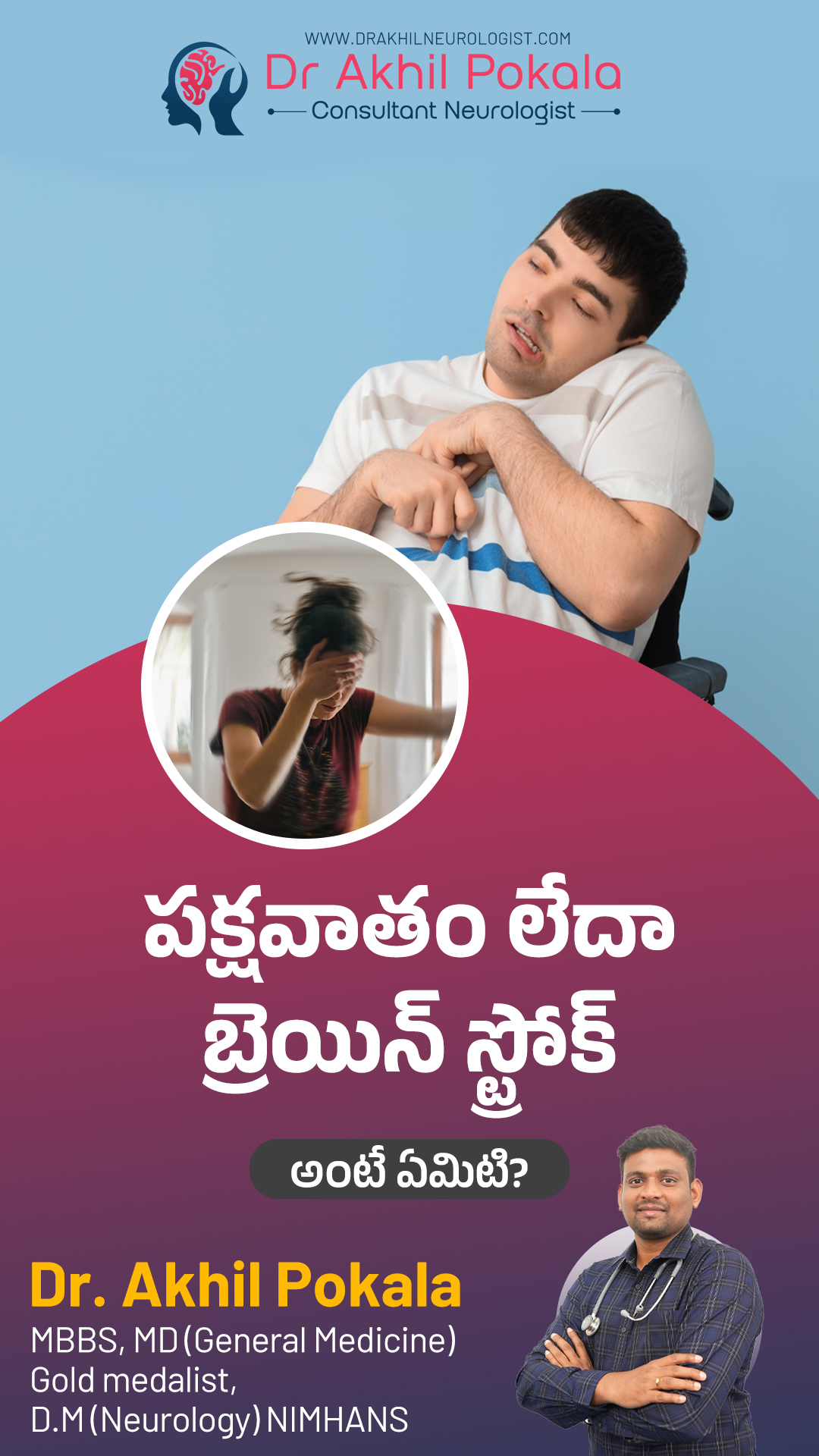
Learn the early signs of stroke, symptoms of paralysis, and why timely treatment is critical. Watch this informative video by Dr. Akhil Pokala:
YouTube Short:
 Watch the Video
Here
Watch the Video
Here
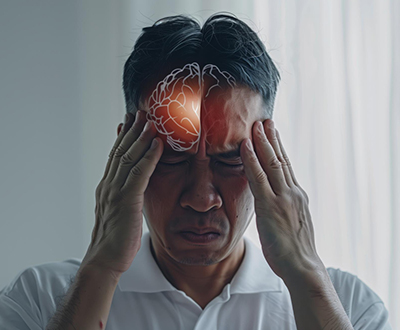
If any of these symptoms appear, immediate medical attention is necessary.
Importance of the Golden Period (4.5 Hours)
The first 4.5 hours after a stroke are known as the golden period. During this time, proper treatment can prevent severe brain damage and reduce complications.
Doctors may use clot-dissolving medications or perform procedures to restore blood flow to the brain. Acting quickly during this window can improve recovery and reduce the chances of permanent paralysis.
Delaying treatment can lead to serious disability or even life-threatening situations.
Diagnosis and Treatment Options
Accurate diagnosis is essential to determine the type of stroke and the right treatment approach. Doctors may recommend imaging tests like CT scans or MRIs along with blood tests.
Treatment may include medications, emergency procedures, and supportive care. Advanced treatment methods aim to restore blood flow, control bleeding, and protect brain function.
Early consultation with a neurologist ensures the best possible outcomes.
Rehabilitation and Recovery After Stroke
Recovery after a stroke takes time and depends on the severity of the condition. Rehabilitation is an important part of treatment and helps patients regain their abilities.
Key Rehabilitation Approaches
- Physiotherapy to improve strength and movement
- Speech therapy to restore communication skills
- Occupational therapy to support daily activities
Regular therapy, medical supervision, and family support play a vital role in recovery.
When to Consult a Neurologist?
You should consult a neurologist immediately if you notice any symptoms of stroke. Early consultation can prevent serious complications and improve recovery chances.
It is especially important for individuals with risk factors such as high blood pressure, diabetes, heart disease, or a history of stroke to undergo regular check-ups.
A skilled Neurologist in Guntur can help diagnose the condition early and guide you with the right treatment plan.
Prevention and Lifestyle Management
Adopting a healthy lifestyle can help reduce the risk of stroke and related complications.
Simple Preventive Measures
- Maintain healthy blood pressure and sugar levels
- Avoid smoking and limit alcohol consumption
- Follow a balanced diet and exercise regularly
- Manage stress effectively
These small changes can significantly reduce the chances of stroke and improve overall health.
Conclusion - Act Fast, Save Lives
Brain stroke is a medical emergency that requires quick action. Recognizing the warning signs and seeking immediate care can prevent serious complications like paralysis.
With timely treatment and proper rehabilitation, many patients can recover and lead a normal life. If you or your loved ones experience any symptoms, do not delay.
Consult Dr. Akhil Pokala, a trusted Neurology Specialist in Guntur, for expert care and effective Paralysis treatment in Guntur. Early intervention can truly save lives and improve recovery outcomes.